
Glossary
Volatility
Volatility measures how strongly the value of an investment fluctuates over time. It is often used as an indicator of an investment's risk; high volatility means larger price swings both upwards and downwards. Volatility says something about the range of fluctuation, not about the direction of future performance. Past fluctuation is not a reliable indicator of future performance.
At a glance
- Volatility measures the range of fluctuation in an investment's value over time.
- It is often used as a risk indicator; higher volatility means larger swings.
- It describes fluctuation, not direction; past values are not a reliable indicator of the future.
Frequently asked questions
No. High volatility initially means only larger value fluctuations, both up and down. Whether that is suitable depends on the investment horizon and personal risk capacity. Volatility is a risk indicator, not a quality judgement about an investment.
Only to a limited extent. Volatility is calculated from historical price data and describes past fluctuation. Future performance can deviate from this; past fluctuation is not a reliable indicator of the future.
Part of the topic
Saving & Investing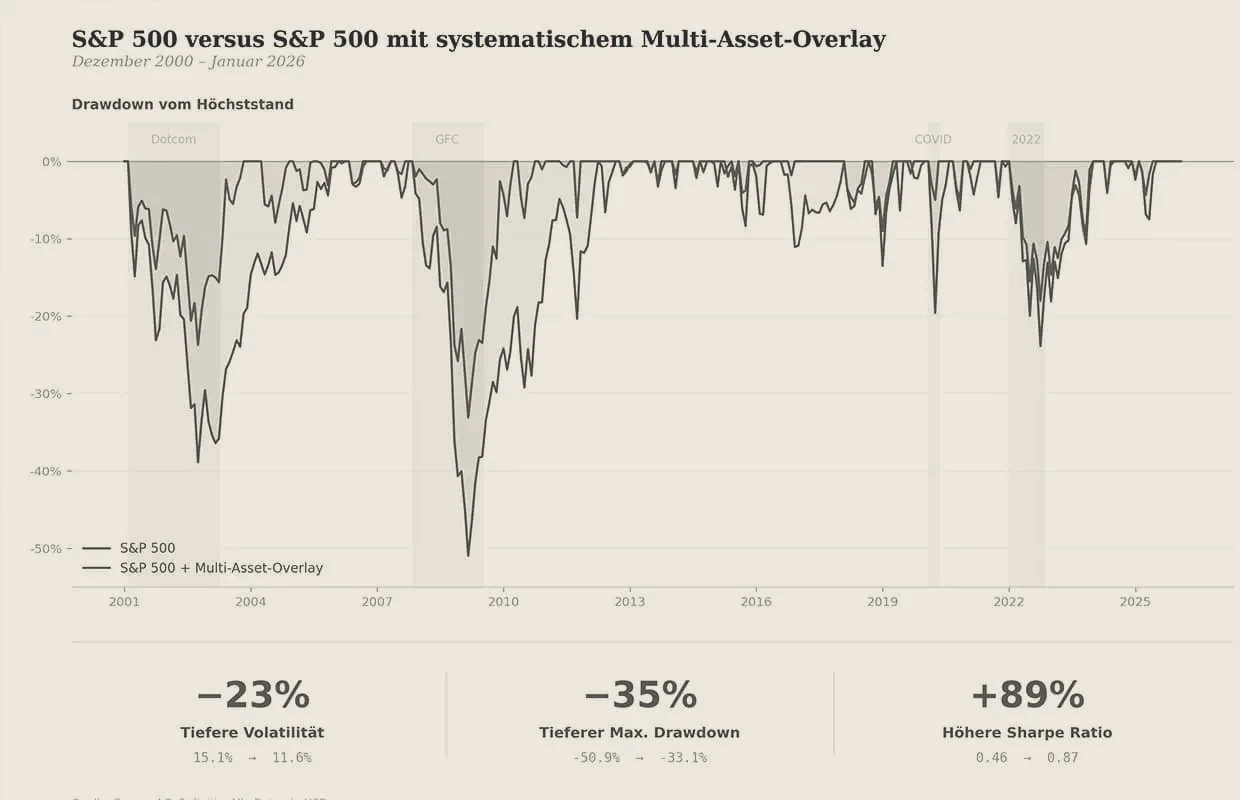


This entry is for general information purposes only and does not constitute investment, legal or tax advice. It is a simplified summary of the legal position and tax treatment.